

Tips from the Bench: Judge Michael D. Washington Discusses the Importance of Mentorship
Tips from the Bench: Judge Michael D. Washington Discusses the Importance of Mentorship
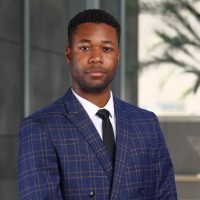
In a recent conversation between San Diego County Superior Court Judge Michael D. Washington and his longtime mentee, Derek Dente, the two reflected on the transformative power of mentorship and how these relationships shape legal careers and personal growth. Their discussion, candid and filled with practical advice, offers unique insight into what it truly means to walk alongside someone on their professional journey. What follows are highlights from their exchange, capturing Judge Washington’s heartfelt philosophy on what real mentorship looks like and why it matters in and beyond the courtroom.
Dente: How do you think having a mentor changes someone’s life, both personally and professionally?
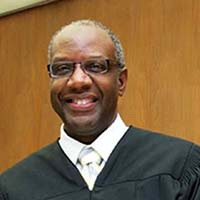
Judge Washington: As a mentor I want to be a guide, like a sherpa. Sherpas help hikers conquer mountains like Mt. Everest because they have already done it themselves. You would never hire a sherpa that’s never climbed the mountain.” A mentor is someone who has already been where you are trying to go.
Dente: In your view, what’s the most misunderstood aspect of mentorship?
Judge Washington: What most people misunderstand about a good mentor is that they see them as just a lifeline to call in an emergency, like on “Who Wants to Be a Millionaire?” But true mentorship, for both the mentee and the mentor, is a relationship. It’s not just about reaching out only when something challenging happens in your life or mine. It’s about constant communication: How is your second year of law school? How was the bar exam? How are things going in general?
Mentorship is going out to dinner, or having someone over, and building a real connection. The most misunderstood part for both people who want to be mentors and those who want to be mentees is thinking that mentorship is only about giving advice. It’s more than a list of do’s and don’ts. It’s about someone who is willing to walk with you through the journey.
The biggest mistake happens when there is no real relationship. Without that connection, the mentor and mentee don’t have enough of a bond to matter in all the spaces in between.
Dente: What role has mentorship played in your own career path as a judge?
Judge Washington: I have had several mentors, people I looked up to and who built relationships with me to guide me along the way, starting from law school. I didn’t initially seek them out with the label of “mentor”; I simply wanted to connect. Over time, those relationships grew, and my mentors came to appreciate that I sought their advice and guidance. They became invested in my future.
As a mentee, when I became a judge and was sworn in, dozens of people reached out not only to congratulate me, but also to share the ways they had helped me along that journey. My children stood beside me, wondering how all these people were connected to our lives. That was exactly the point: I wanted fifty or a hundred people to feel they had a role in getting me to where I am today.
That experience of being mentored is a part of me that many don’t often see. Now, as someone in a position to mentor others, I carry that with me. It makes it easier for me to guide others, and I intentionally look for people with bright eyes and potential when choosing mentees.
As a mentor, it is about being available and genuinely interested in others. I have to truly care.
My wife actually does an even better job than I do in showing that, expressing her knowledge and care for people. She reminds me that it is about more than just the individual. It is about asking questions like, “How is your mother doing?” If you really care about someone, you can’t only care for them in isolation. You have to care about the people and things that matter to them, because that becomes part of the support that helps them succeed.
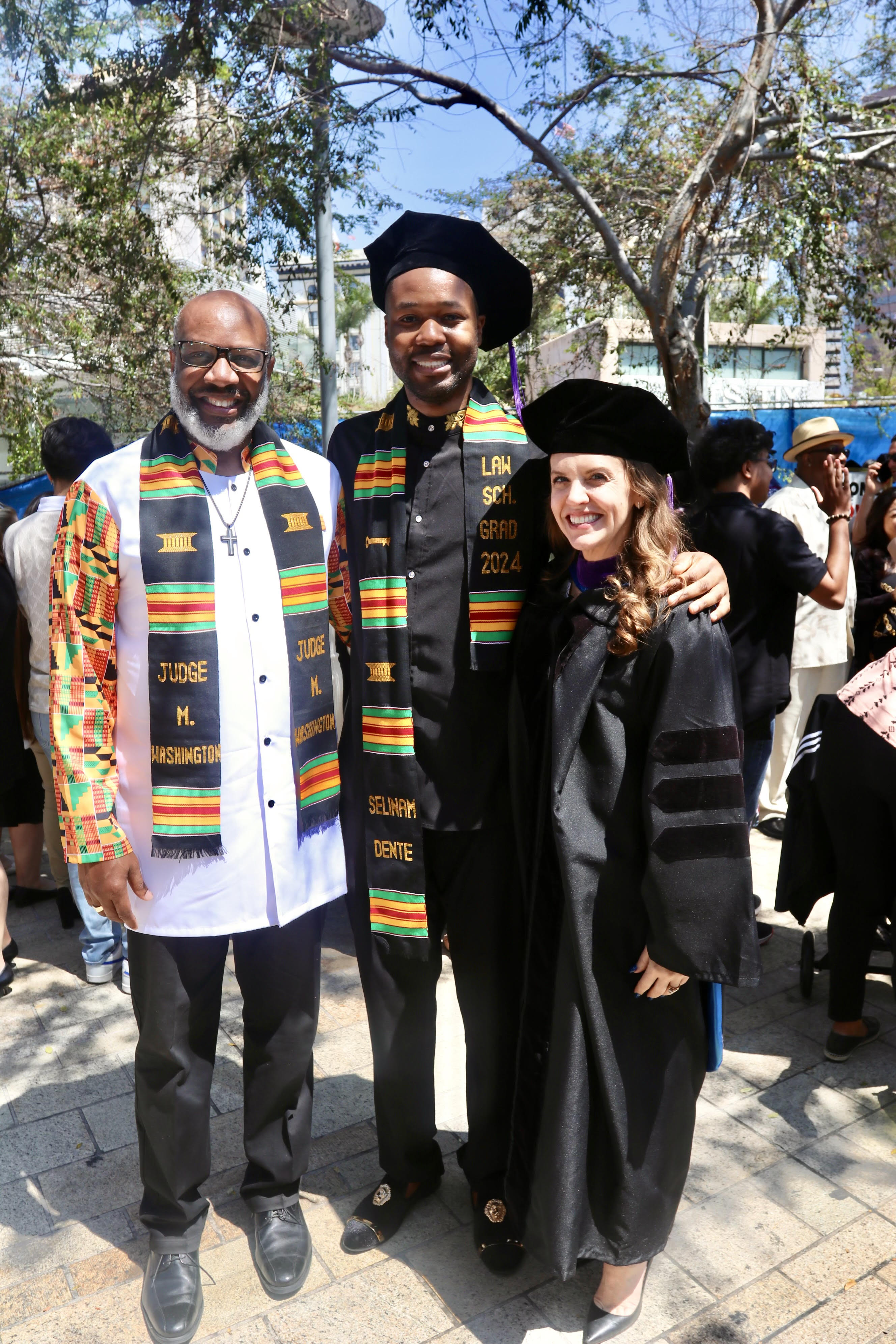
That is why after your graduation, we stayed and talked with your family, and why I invited you to my birthday celebration. It is because we wanted your family to know how much we care about you. When your family sees that, even when we are not around, you feel supported. Those little things matter. They help sustain us, and they are the things I always try to do as a mentor.
Dente: What do you hope your mentees carry forward from their time with you?
Judge Washington: I hope, more than anything else, that the influence I have had on others is something they can take and use in their own way. I do not want anyone to try and imitate me. Everyone I have mentored is a unique individual, and I have never mentored anyone in exactly the same way. It is like relationships and friendships. I do not treat them all the same, and I do not want my mentees to adopt a so-called “Washington method of mentoring.”
What I want them to understand is that mentoring is about being in relationship and being supportive. It is about being willing to listen more than you talk, because people will tell you what they need by both what they say and what they do not say. From there, it is about asking good questions. I often start with something simple, like asking my mentees how they are doing or what is going on in their lives. I do that because I want them to open up and start talking. It is not about me talking. I know what I have accomplished. What I need is for them to share, so I can understand their needs and where they might need support.
I want the people I have mentored to get to the point where they feel comfortable doing the same for others, recognizing that mentorship requires sacrifice.
Dente: Ending Thoughts?
Judge Washington: Sherpas don’t climb for the person. The person still has to do the climbing. A sherpa is either in front of you or behind you. My job as a mentor is to help put you in position, but you must make the climb. The effort has to be put in by the mentee. I know you have the capacity to accomplish the task, so let’s go!
What I recognize, and what mountain climbers know, is that not everyone makes it to the top on the first try. It depends on how you look at it. You might say to yourself, “I didn’t make it on my first attempt, so I’m never climbing again.” Or, instead you might say, “I made it a thousand feet, and I learned a lot about myself in terms of my strengths and weaknesses. I am going to build on my strengths, improve my weaknesses, and give it another try.”
The goal is to summit that mountain, whatever that mountain is for you. Maybe it is getting through the first year of law school, passing the bar exam, making partner, or becoming a judge. Not everyone learns the same way, not everyone can relate what they’ve learned the same way. Mentors can help you see different strategies to help you accomplish your goals because mentors see the mountain from the top, they can see people get to the top using different pathways.
Not everyone should be a mentor, but if you are going to mentor, you need to lean completely into it for those you would want to help.
Derek Dente is a lifelong learner and aspiring legal professional who credits Judge Michael D. Washington’s mentorship as a guiding force on his ongoing path.